It’s an understandable question, and one I’m frequently asked. In fact, it came up again this morning in a phone conversation.
Those who ask it typically are looking for tips on the new, cool platform that everyone will be using next year, and that currently is relatively unknown or obscure to the broader population.
The answer that came to me is one that I think will become my new standard:
The next big thing in health care social media will be that social media in health care isn’t a big thing.
I’m not saying that social media won’t be important in health care: I think it will be just the opposite. Social media tools will be incorporated throughout health care, and will be vital elements in all of our communications.
But they won’t feel big because they’ll just be normal. They will have become accepted as a standard way of working. They’ll be as unremarkable as email is today.
That’s when social tools will have realized their enormous potential: when using them becomes standard operating procedure.
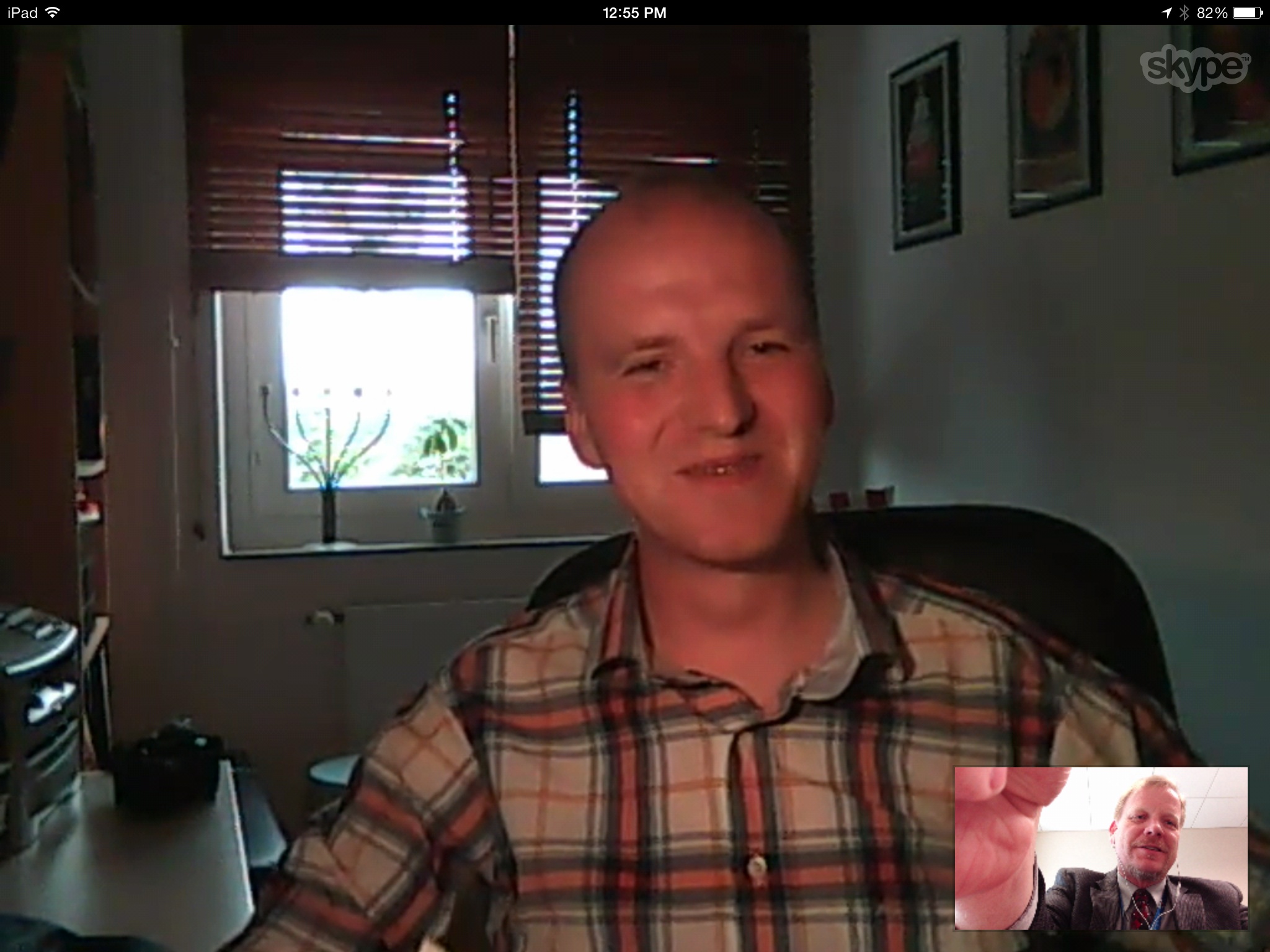
Interestingly, just a couple hours after the first conversation, I had a wide-ranging and stimulating discussion with a gentleman from Germany, Peter Carqueville.
 We enjoyed our video discussion via Skype, and I reminisced about my college days in the early 1980s, when I had to wait in line on Sunday night for the one phone on our dorm floor, to make an expensive collect call. I talked about how amazing it is that today we can talk across seven time zones and an ocean, and that it’s free.
But Peter topped my story: while I looked back on what seemed to be scarcity of telecommunications access, he had grown up behind the Iron Curtain in what was formerly East Germany, where most families didn’t even have phones.
The next big thing in health care social media will be when we come to take use of social tools for granted as we do unlimited cell phone minutes and text messaging — and free video calls via Skype and Goolge+ — today.