What’s Next Big Thing in Health Care Social Media?

It’s an understandable question, and one I’m frequently asked. In fact, it came up again this morning in a phone conversation.

Those who ask it typically are looking for tips on the new, cool platform that everyone will be using next year, and that currently is relatively unknown or obscure to the broader population.

The answer that came to me is one that I think will become my new standard:

The next big thing in health care social media will be that social media in health care isn’t a big thing.

I’m not saying that social media won’t be important in health care: I think it will be just the opposite. Social media tools will be incorporated throughout health care, and will be vital elements in all of our communications.

But they won’t feel big because they’ll just be normal. They will have become accepted as a standard way of working. They’ll be as unremarkable as email is today.

That’s when social tools will have realized their enormous potential: when using them becomes standard operating procedure.

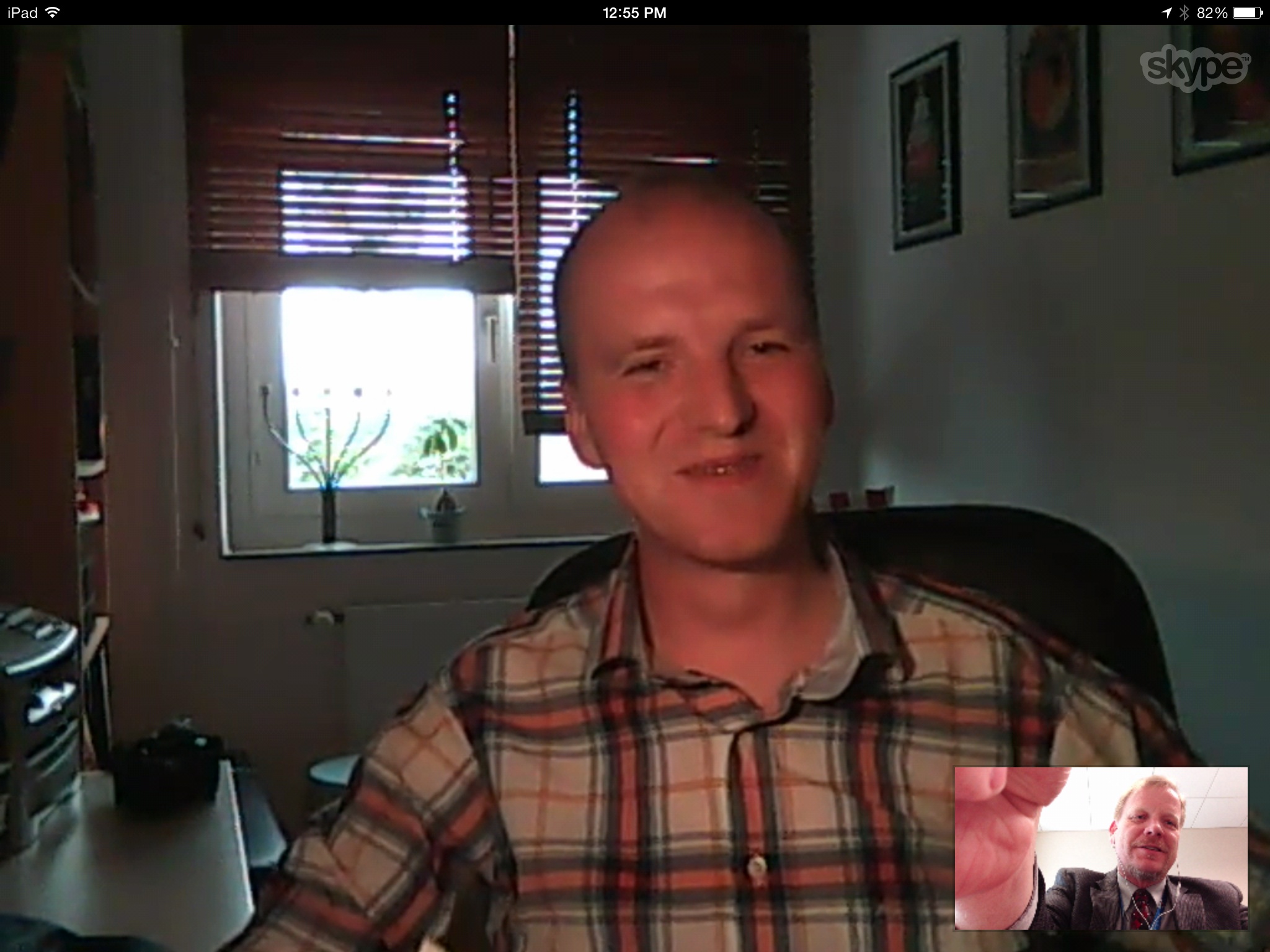
Interestingly, just a couple hours after the first conversation, I had a wide-ranging and stimulating discussion with a gentleman from Germany, Peter Carqueville.

Peter PhotoWe enjoyed our video discussion via Skype, and I reminisced about my college days in the early 1980s, when I had to wait in line on Sunday night for the one phone on our dorm floor, to make an expensive collect call. I talked about how amazing it is that today we can talk across seven time zones and an ocean, and that it’s free.

But Peter topped my story: while I looked back on what seemed to be scarcity of telecommunications access,  he had grown up behind the Iron Curtain in what was formerly East Germany, where most families didn’t even have phones.

The next big thing in health care social media will be when we come to take use of social tools for granted as we do unlimited cell phone minutes and text messaging — and free video calls via Skype and Goolge+ — today.

The Link between Social Media and Digestive Diseases

While the behavior of some people online can cause gastrointestinal symptoms such as nausea in others, this post is not about Twitter-induced dyspepsia. I’m in Chicago today speaking as part of a panel on “21st Century Patient Provider Communication” during Digestive Disease Week.

Here are my slides:

I’m looking forward to the discussion. You can follow it at #DDW14 on Twitter.

Social Networking: From Facebook to LinkedIn and Beyond

Today I am presenting the third in a monthly series of adult education social media workshops through Rochester Community and Technical College. The first was an introductory overview session, and in the second we took a deeper look at Twitter: Social Media’s Gateway Drug.

Here are my slides. Note that many of the slides contain links to the referenced Web sites.

Book Review: LinkedIn Riches

About a month ago, John Nemo sent me a message in LinkedIn asking if I would like a review copy of his new book, Linkedin Riches: How I made $135,000 in just 90 Days using LinkedIn!

LinkedIn Book coverI was wary at first because of the subtitle, which made it sound like the get-rich-quick stuff of infomercials, but I overcame that initial reaction and requested a Kindle copy.

I’m glad I did. And I’m glad that somewhere through the process, John decided to take his own advice in the naming of his book. More on that in a bit.

Because of the patient-oriented nature of my day job, I have focused much more on general consumer platforms like Facebook instead of LinkedIn. Our Human Resources department has used LinkedIn successfully for recruiting. But since the audiences I have been pursuing are mostly patients and consumers, as opposed to “B2B” as they say in the biz, I have had a profile, but haven’t spent much time personally in LinkedIn. So it was good to get perspective from someone who has.

One of the main points John makes is that your LinkedIn profile should be client-facing and framed in terms of what you can do for clients. It’s not about you. And he also gives some concrete suggestions for how to implement this philosophy.

So here’s how I used his advice on my own LinkedIn profile.

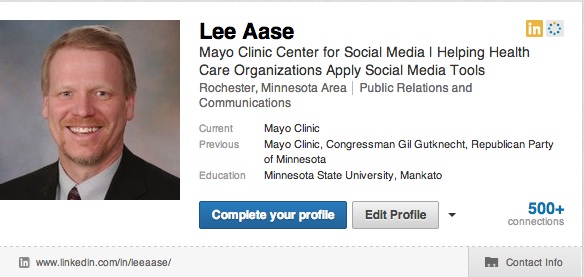
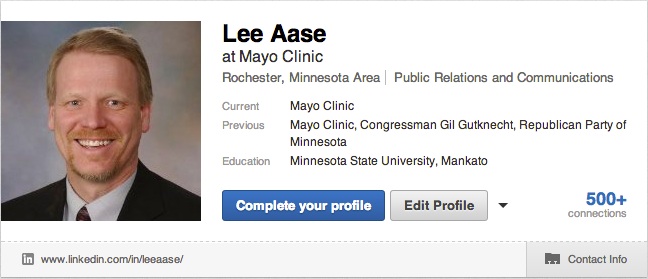
Rewriting My Profile Headline:

Before:

Before Profile


After:

LinkedIn After

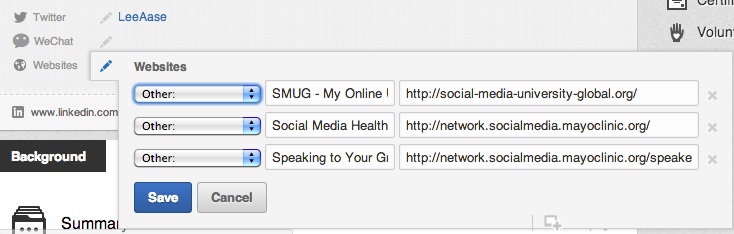
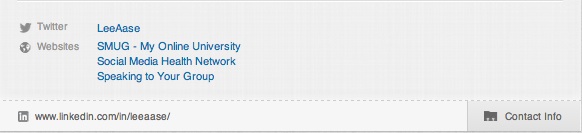
Giving Descriptive Titles to Web Links in Contact Info

Edit Web Sites

Descriptive Contact LInks

Improving My Summary:

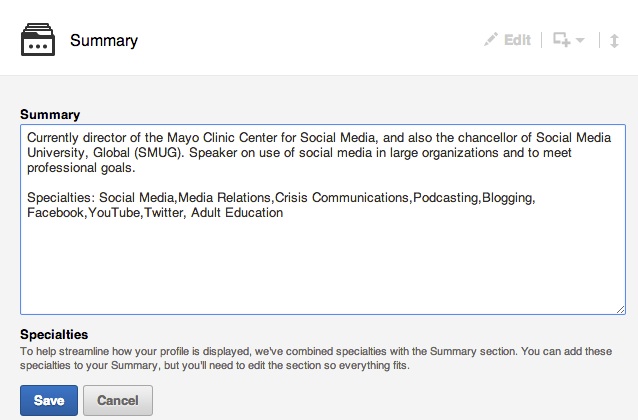
Before:

Summary before

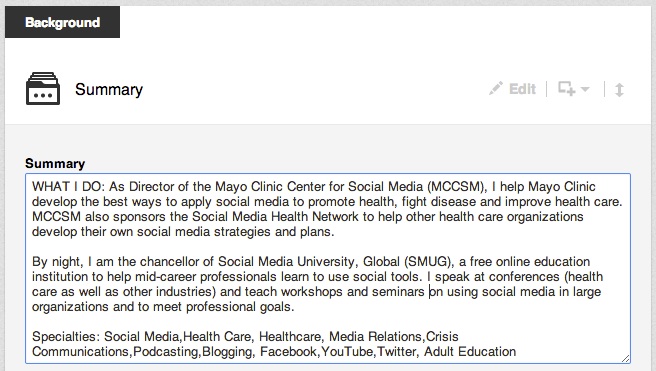
After:

Summary after

Those are three positive changes in my profile in just the first chapter. The combination of the client-facing mindset and some practical tips makes this a good resource.

Practicing What He Preaches

As his book is now published, it was good to see that John retitled it to follow his own client-facing advice. You will remember that the previous subtitle was all about him: “How I made $135,000 in Just 90 Days Using LinkedIn!”

While that might appeal to some, the new title is much more oriented toward benefits for the reader.

Linked In Riche$: How to Leverage the World’s Largest Professional Network to Enhance Your Brand, Generate Leads and Increase Revenue.

And if you’re looking for a quick read with some helpful tips on using LinkedIn, I think you’ll find it worthwhile.