What a difference in four years!

It was four years ago today that I started a blog called “Lines from Lee” with this post.

So much has happened in that time, and I have documented the progress with highlights posts on the first, second and third birthdays of my blog.

So this is my fourth in an annual series related to how blogging and involvement in social media has changed my life. I do more of a personal year-in-review sometime between Thanksgiving and Christmas, which is the time when I thank God for his many blessings to me and our family (such as our two grandchildren, and my son getting married next month.) More reflections on those in December.

The last year has been so crazy, it’s hard to know where to begin in recounting it.

Trips to the Netherlands (with a brief stop in London) and Paris, my first ventures outside North America, are a good place to start. But visits for presentations on social media to Miami, Indianapolis (twice), Omaha, Washington DC (twice), Idaho, Arizona, Milwaukee, St. Louis, Green Bay, Madison, Philadelphia, Las Vegas, New York (thrice), Pittsburgh, Boca Raton, San Francisco, Orlando, Boston, Cooperstown, San Diego, North Carolina, Des Moines and Lake Ozark, Missouri as well as several trips to Chicago and various points within Minnesota have been memorable too. So were the videoconferences to Zurich and Toronto.

I can’t even begin to mention all the great people I’ve gotten to meet, because it would take all day. And since I’m writing this on the bus on the way to work, I have to move it along. Especially with the announcement we made this week of our new Mayo Clinic Center for Social Media. We’ve got lots of work to do as we get this ramped up. As you might imagine, I’m seriously jazzed about it.

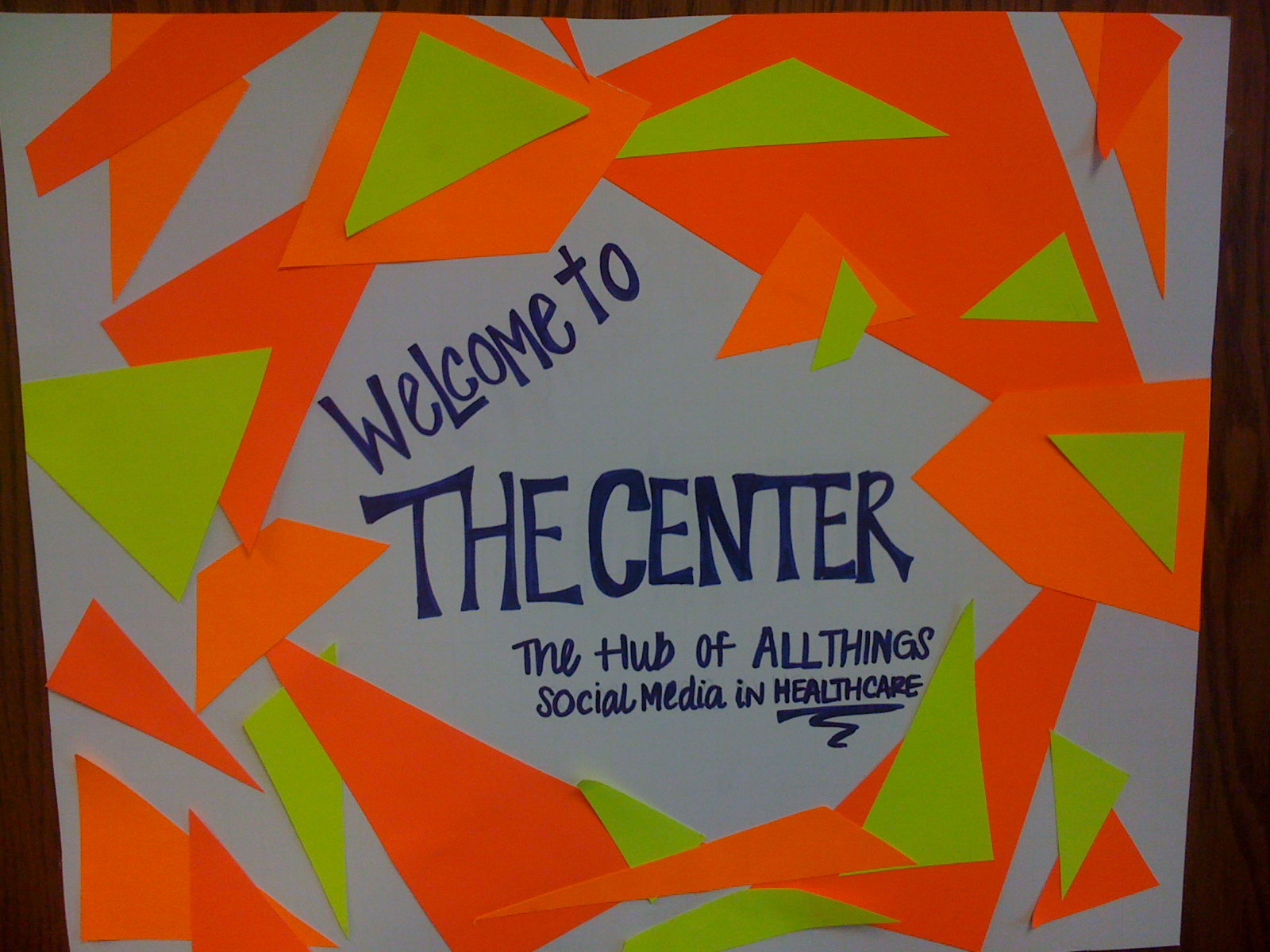
When I got back from New York on Wednesday after the announcement of the center, my team at work had a celebration ready, complete with balloons, gluten-free treats and a new sign on my office door (click to enlarge):
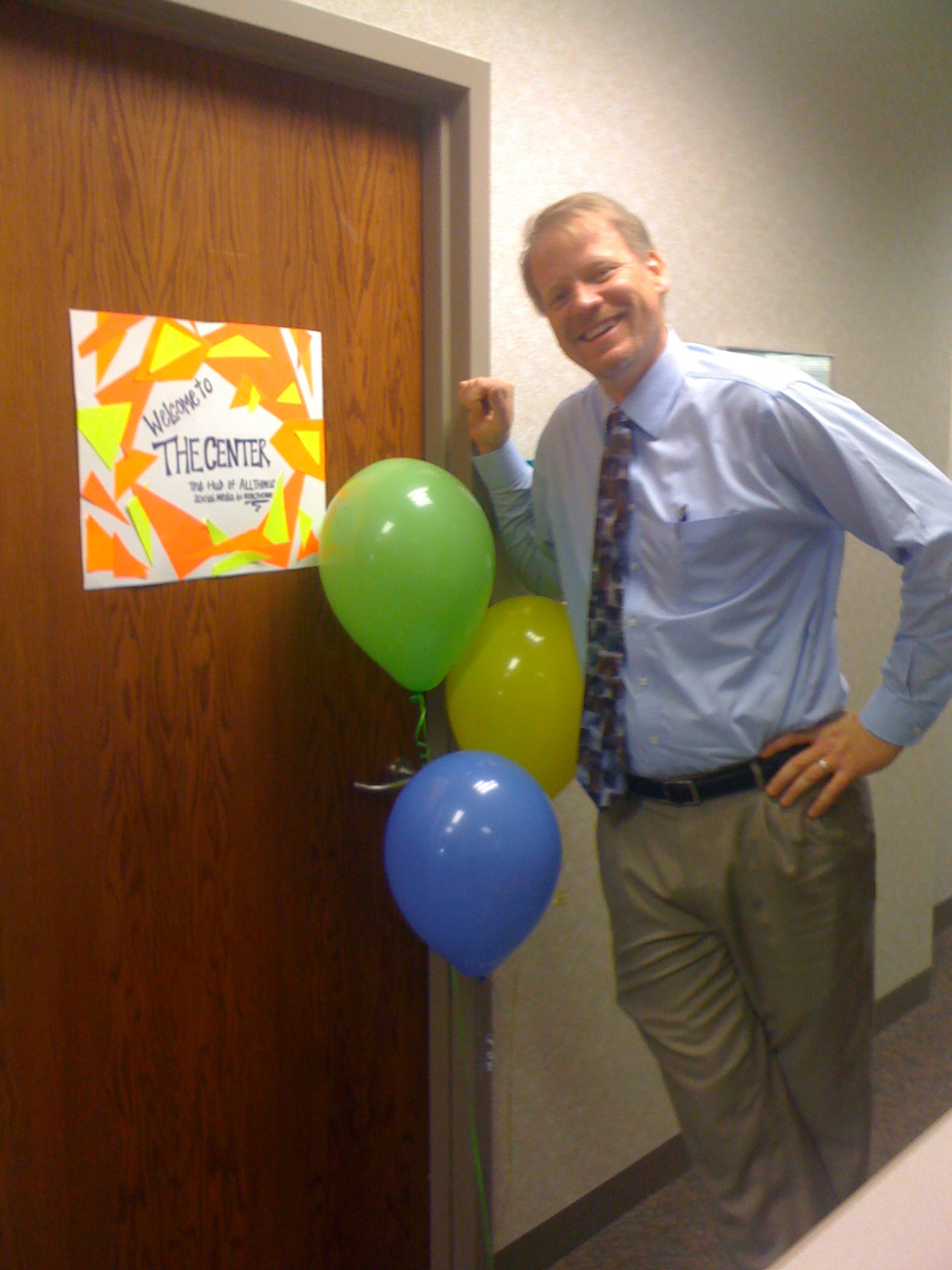

(I’m pretty sure our brand standards group isn’t going to let us use that poster officially.)

What a team! I do want to mention them: Joyce Groenke, Dana Sparks, Joel Streed and Laurel Kelly. They’ve been the core group for our syndication and social media team, and they also help tweet on our @MayoClinic account.

And our broader media relations team, led by Karl Oestreich and including Traci Klein, Amy Tieder, Bob Nellis, Rebecca Finseth, Elizabeth Rice, Bryan Anderson, Kevin Punsky, Paul Scotti, and Lynn Closway have all contributed to our social media efforts (particularly YouTube videos related to research news.) It’s hard to know where to stop with this, but Hoyt Finnamore, Cory Pedersen, Linda Donlin, Kathy Barbour, Evelyn Tovar and Julie Janovsky-Mason have done great work with social media on our internal communications team, too, as have our education, research and marketing groups.

The idea has been not to have a huge social media “silo” but to instead get everyone in Public Affairs using these powerful tools to do their regular work. To infuse social media thinking and strategies into everything we do. And with our new Center for Social Media, we aim to provide training and resources to all 56,000 employees at Mayo Clinic while also offering some of those same tools and guidance to other health-related organizations.

Tonight I’m going to have another new experience, as I will be doing a live TV interview on Almanac, the weekly public affairs program produced by Twin Cities Public Television.

In my previous career I frequently accompanied my employers (government officials or political candidates) to the tpt (not sure why they don’t capitalize) studios for their guest appearances. It’s going to be really weird to be the guy sitting between Erik and Cathy for one of the early segments of the program, which airs at 7 p.m on channel 2 in the Minneapolis-St. Paul area.

If you live in Minnesota and can get channel 2, I hope you’ll tune in tonight at 7. I hope I don’t look too much like this:

Launching Mayo Clinic Center for Social Media

The posts on SMUG have been sparse for a few weeks, and here’s why: In my “day job” we’ve been on the verge of announcing what I think is an exciting new development, the Mayo Clinic Center for Social Media.

Here’s a story about it from KTTC TV in Rochester, which includes an interview with our interim medical director, Victor Montori, M.D.:

As you might imagine, I’m seriously excited that we have gotten to this point. I’ll be writing more about this later, but just wanted to resurface after several days of what may have seemed like summer vacation here at SMUG.

Update 7/30/2010: The KAAL TV story on the launch of the center also was picked up by ABCNews.com. You can see it here:

“We don’t buy any green bananas”

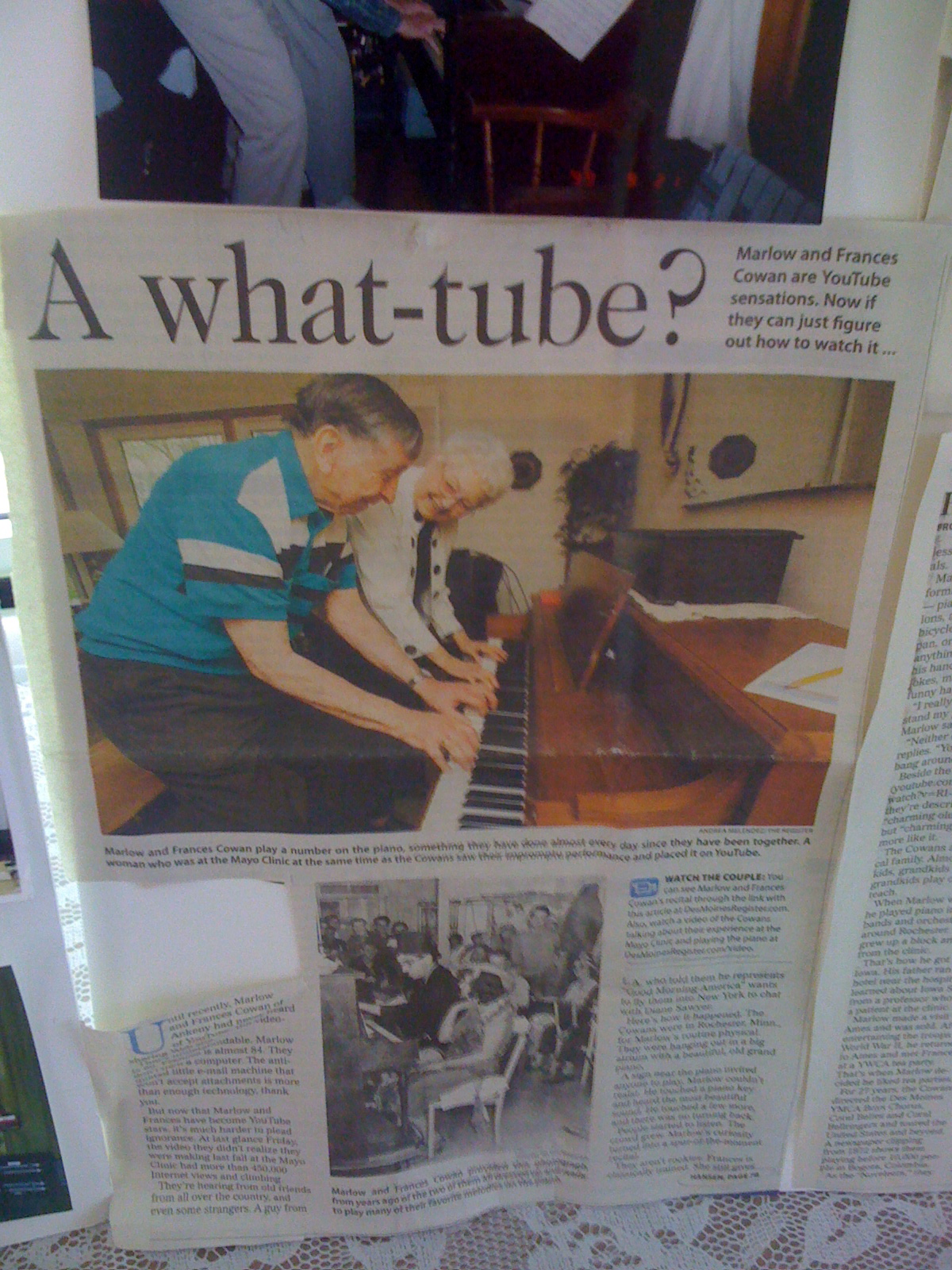
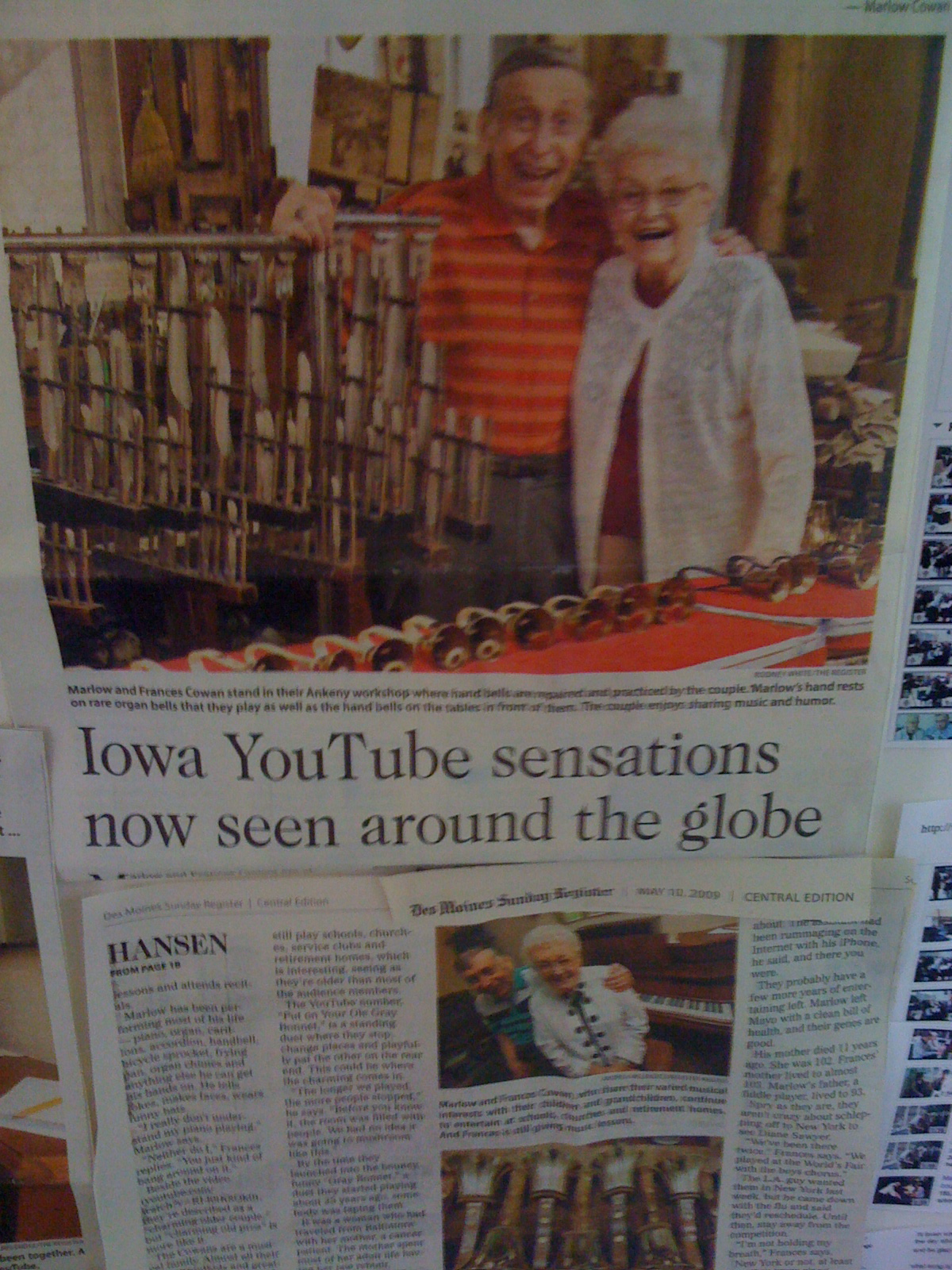
Words of wisdom from Marlow Cowan, the elder half of the “Octogenarian Idol” piano duo whose YouTube duet at Mayo Clinic…

… has been viewed more than 7.2 million times as of this morning (and which led to their appearance on ABC’s Good Morning America as well as NHK, the national TV network in Japan.)

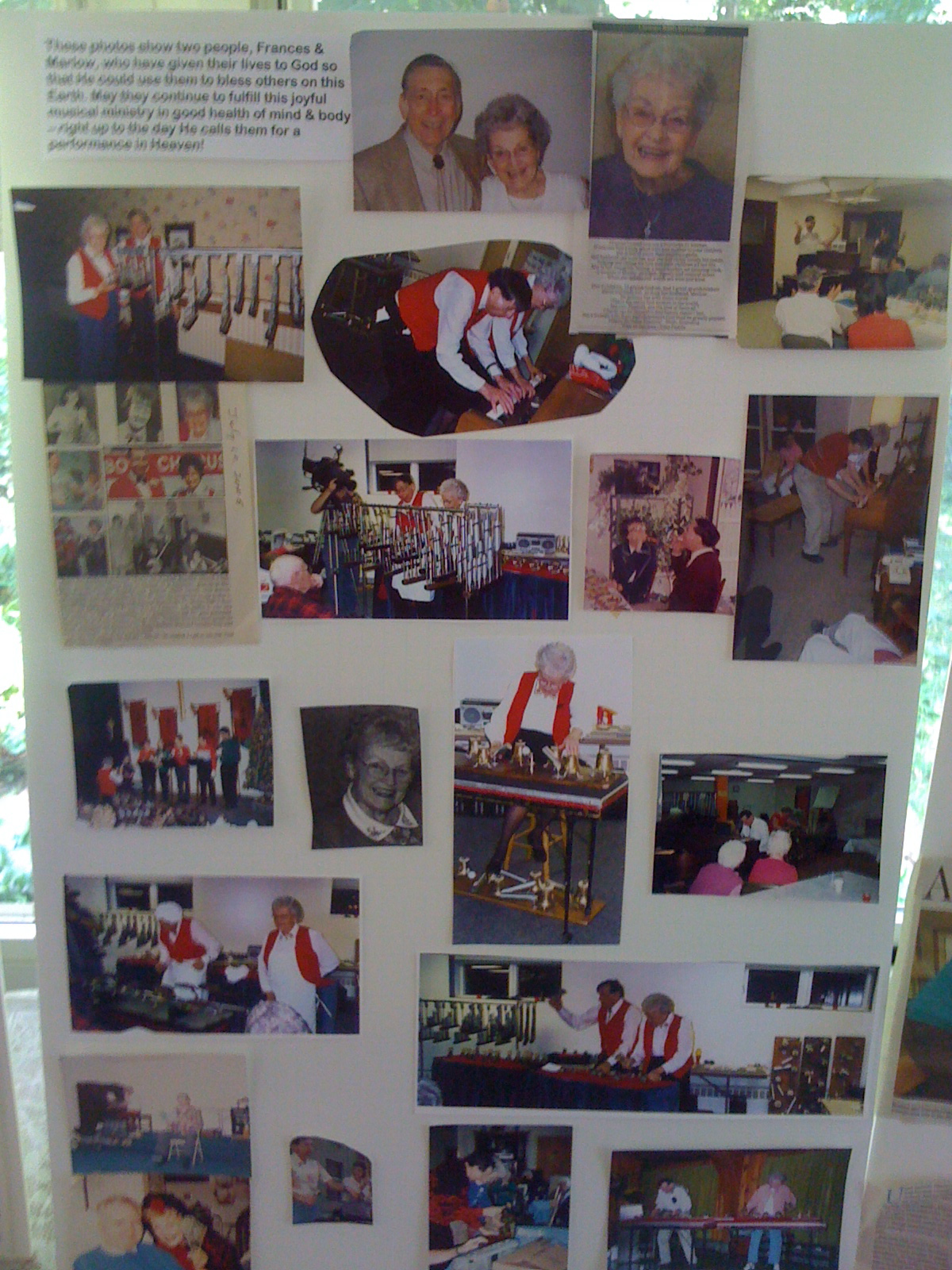
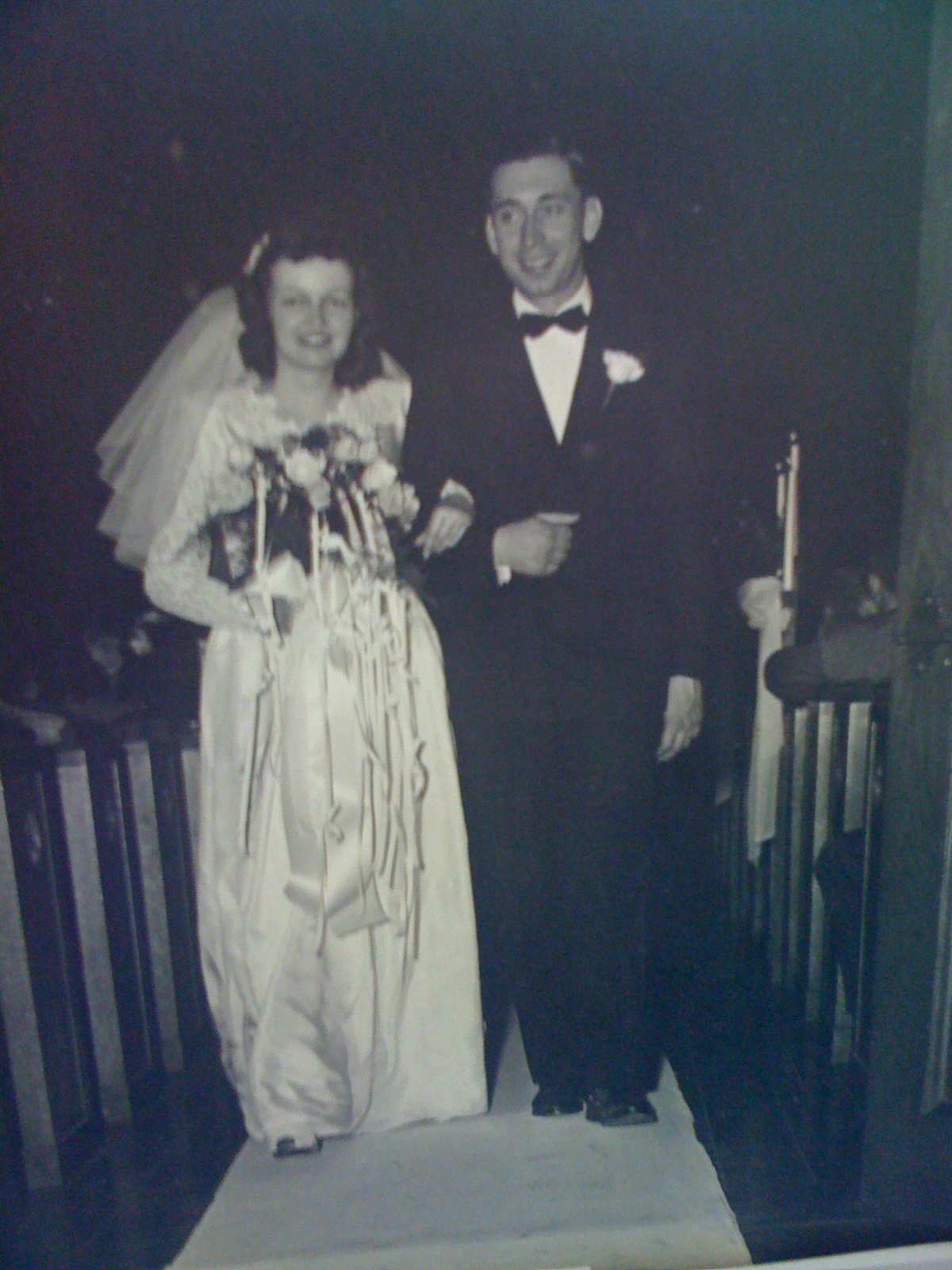
Marlow is now well past octogenarian status (he’s 91), and his wife Fran celebrated her 85th birthday yesterday. My wife Lisa and I were honored that their daughter, DeDe Shour, invited us to join them for the surprise birthday celebration at their home in Ankeny, Iowa (click any of the photos to enlarge):

We got to see some pictures from their very full life together…

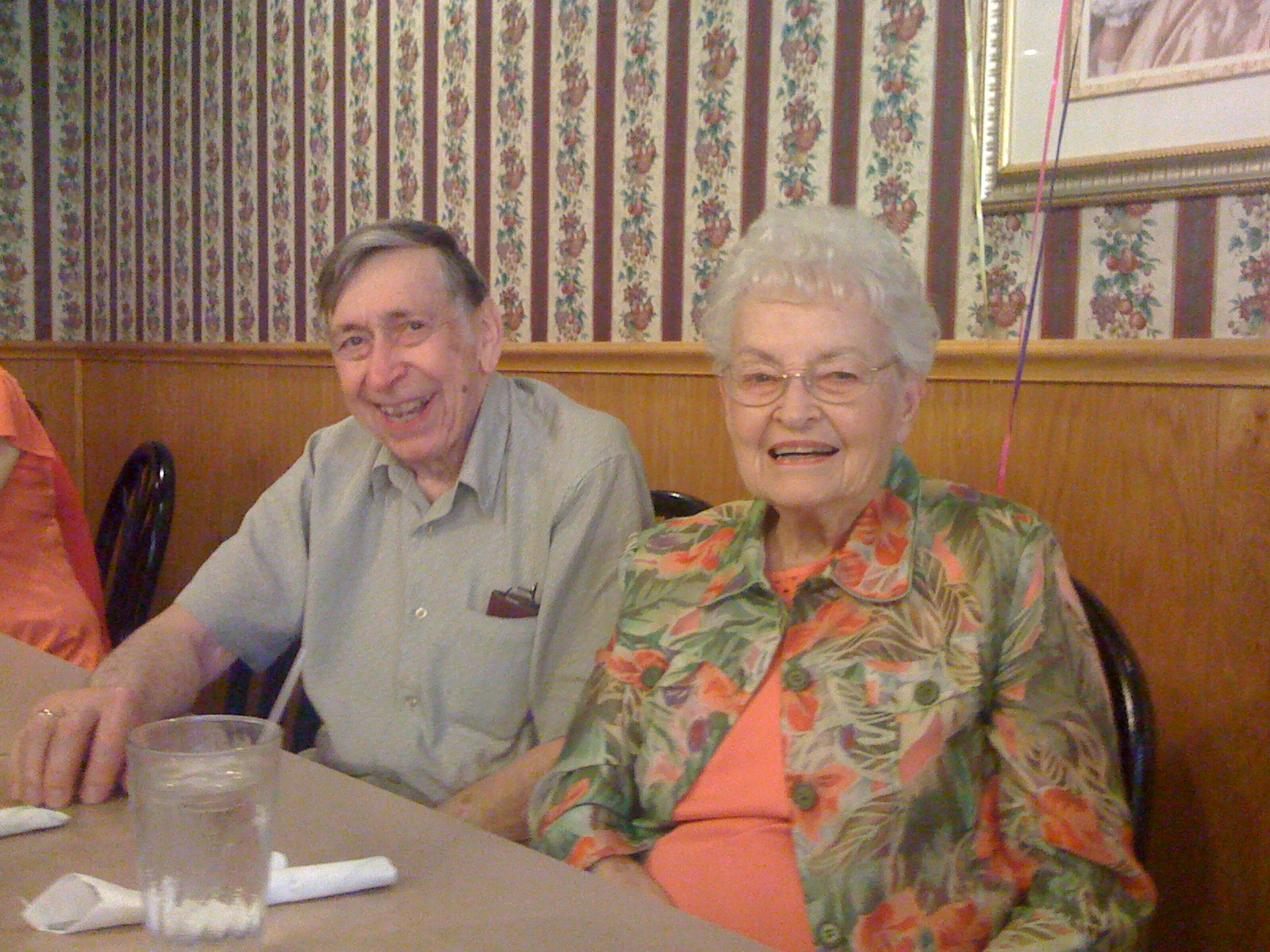
…and then also join their family (even some great-grandchildren) for dinner at the Country Kitchen in Des Moines.

At dinner, Marlow and Fran reflected on how their lives have changed in the last 15 months since their video went viral…

…how they’ve renewed connections with former students and members of the touring youth musical performance groups they hadn’t heard from in decades. They’ve had numerous requests for concerts, but travel isn’t as easy as it used to be. Marlow and Fran both expressed their gratitude to God for their 63 years of marriage and the many blessings he has given them. They see their performances as a way of serving him by sharing those blessings with others, so they do as many as they can.

Marlow said they have certain stipulations when they agree to a concert, one of which is, “They’ve gotta have a back-up act in case something happens to us. We’re not getting any younger, you know!”

At their advanced ages, he said they’ve also developed a couple of rules for their personal lives: “We don’t buy any green bananas. And we eat dessert first.”

Words to live by.

Feedburner: Dress Up Your Feeds

Chancellor’s Note: This is part of the SMUG beautification project, cleaning out some of the underbrush of content originally published at the “page” level but that needs to be demoted.

This content was first published on October 22, 2006. Since then, Google bought Feedburner. But Feedburner is still a great way to add functionality to the RSS feeds from your blog.

===

Thanks to Shel Holtz for his advice on how to incorporate “Digg This” and “Add to Del.icio.us” links/badges into blog posts, using FeedFlare, a free service that is available through Feedburner, another free service.
Feedburner
That’s also where I got the badges for My Yahoo, Google Reader, and others that you see at right. Shel explained that Feedburner adapts and enhances your site’s existing RSS feed and provides great reporting on subscriptions and click-throughs.

===

Feedburner is definitely still a service worth exploring.

Advertising Age, Hospital Marketing and Social Media

Advertising Age has an article this week in the print edition about hospitals, advertising, marketing and social media, and relates it all to health reform. I was glad to get to talk with the writer, Rich Tomaselli, last week to discuss some of the things we’re doing at Mayo Clinic, and our philosophy relating to social media. Rich had said the article would run either this week or next, and so I was glad when Jane Sarasohn-Kahn (@healthythinker) alerted me to it with her tweet linking to her blog post about it.

I think both Rich’s article and Jane’s post are good and make some valid points, and commend them to your reading.

Here’s my Advertising Age quote, upon which I want to expand a bit:

One of the most famous health-care facilities in the country, the 118-year-old Mayo Clinic, now has a social-media manager, Lee Aase. “Social media is the way word-of-mouth happens in the 21st century,” he said. “Twitter is just one of the most powerful networking tools that I’ve ever seen. It enables you to make connections with people that have a common interest.”

Quotes in mass media (like magazines, TV or radio) are always taken out of context. That’s not a criticism, it’s just a reality. Space and time are limited and expensive. Rich and I talked for about 15 minutes, and it was a great conversation. I’m sure he likewise had good talks with the others he quoted (and he did incorporate elements of our interview in his narrative.) There’s no way all of that is going to fit in a print article.

One of the benefits of social media, however, and why these tools are so powerful, is the opportunity they afford for more in-depth content and discussions. They provide a way to get more in-depth information to (and feedback from) people who are interested.

Given the fact you’re reading this, you must be one of those interested ones, when the topic is advertising, health care or social media. So here is some of the context of my conversation with Rich, and some reaction to the messages I saw in the article.

First, I’m quoted as saying “social media is the way word-of-mouth happens in the 21st Century” which is true and accurate, but the real point, and what I emphasized in the interview, is the continuity of social media with how Mayo Clinic’s reputation has been built over the long term. For more than 100 years, the number one way people have found out about Mayo Clinic is through the recommendation of a friend or family member. It’s also consistent with Thesis 1, that social media are as old as human speech.

Mayo Clinic hasn’t advertised nationally in the traditional media outlets. As Jane says in her post:

It takes information PLUS a “life moment” PLUS a “care connection” to a friend or loved one to deeply engage in health.

Paying for advertising (information) to be sent to a broad, undifferentiated group of people who aren’t currently experiencing the “life moment” or “care connection” is an iffy proposition. You’re paying to reach a lot of people who just don’t have a current need.

As I told Rich, the fact that 25 percent of our Mayo Clinic patients come from more than 500 miles away adds another layer of difficulty to the advertising equation. People need to be much more motivated before they will travel that distance for care. By definition, those patients are “deeply engaged.” But traditional advertising in mainstream media isn’t likely to be a great way to reach them because they are widely scattered across the nation (and even the world.)

This brings me to my other major observation, that the connection of all of this increased social media activity to health reform is significantly overstated. At Mayo Clinic, we have been involved in social media since 2005, starting with podcasts. We launched our Facebook fan page in November of 2007. We have been in Twitter since early 2008. We have been actively uploading videos to our Mayo Clinic YouTube channel for more than two years as well. And our Sharing Mayo Clinic blog for stories from patients and employees is nearly 18 months old.

I believe health reform legislation is essentially a non-factor in the growth in social media adoption among hospitals. Instead, as I explain it in my 35 Social Media Theses, the reason hospitals are using social media is because this is the defining communications trend of the Third Millenium.

As my good friend Ed Bennett (@EdBennett) said in the Advertising Age article, the number of hospital Twitter accounts has more than doubled in the last year, which indicates that this isn’t mainly spurred by health reform legislation. He also offers great advice on the “why” hospitals should be involved in social media:

Hospitals realize that word-of-mouth is the most significant driver you can have, so social media is an opportunity to humanize what can be a scary, complex institution… I tell hospitals “Don’t get into social media because you think you’re going to get more patients. Do it because you’re helping be responsible to people reaching out looking for answers.”

Social media in health care is about much more than just marketing. As for the increase in advertising spending that’s being reported, maybe health reform is playing a role in that. It’s not really my area of expertise, so I don’t have a strong opinion on the matter.

What do you think? Do you agree that increased social media interest among hospitals is essentially unrelated to health reform?

What relationship, if any, do you see between health reform and the reported growth of spending on hospital advertising?